

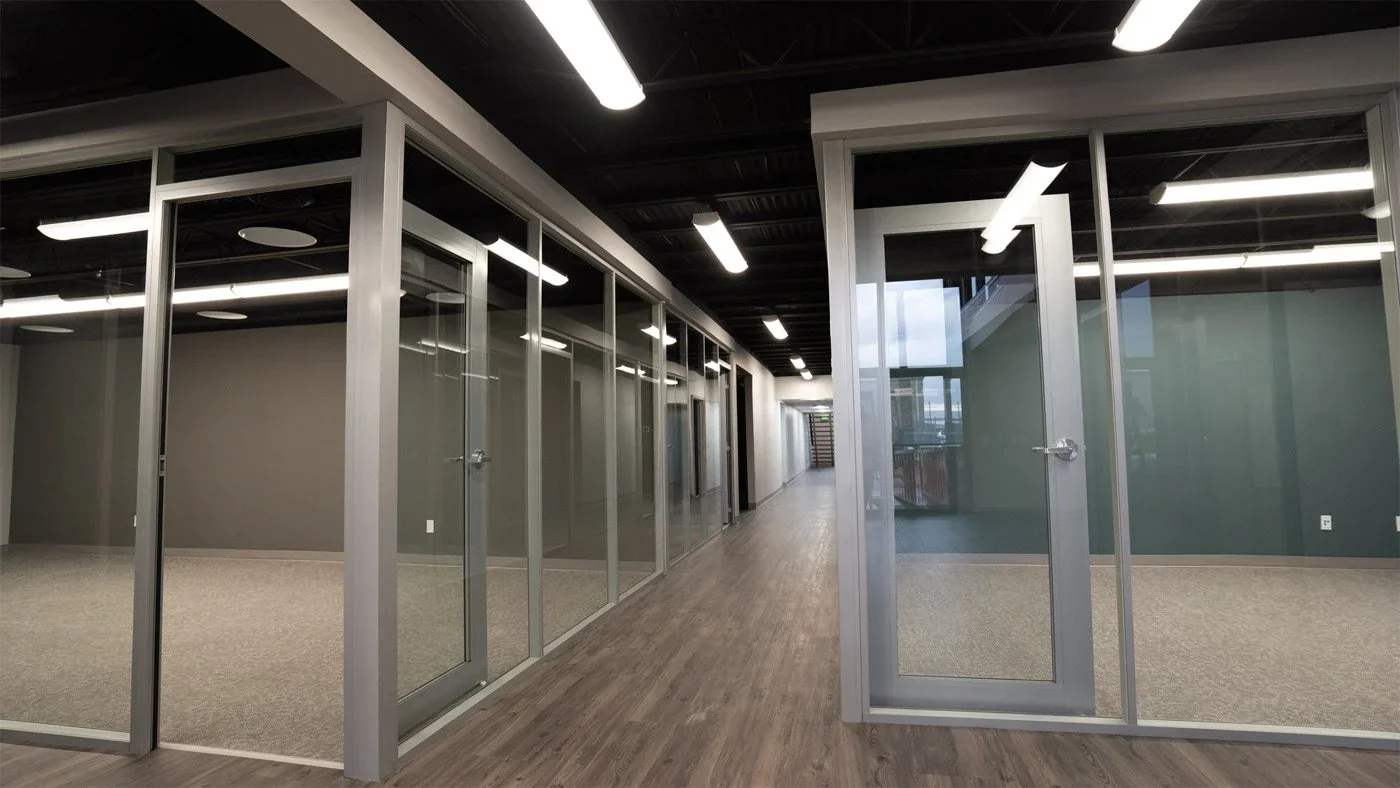
NxtWall Flex Series demountable walls. See Flex Series at Contract Office Reps
Here is the uncomfortable version of the AI story in commercial furniture: a distributor whose competitors have implemented AR and visualization tools can lose specification decisions not because their product is inferior, but because the competitor's digital capability reduces friction in the client's decision process.
That is a different kind of loss. It has nothing to do with price, lead time or performance. It is about which option was easiest to say yes to.
Where the friction actually sits
The scenarios described in industry coverage are familiar to anyone in this business. A designer needs to present concepts to three stakeholders at once — owner, brand standards, interior architecture — and walking them all through a showroom is logistically impossible. A project with a fixed opening date cannot absorb three or four revision cycles that each add two weeks. A showroom manager shows twelve fabric options as physical swatches, none of which communicate how the finished piece reads in the client's actual space.
Each of those is a moment where a decision stalls. Visualization tools exist to unstall them, and analysts estimate AI-driven visualization can cut planning costs meaningfully at some project stages.
The limits are real too
It's worth being clear-eyed. AI tools are useful for testing layout configurations early, but they don't account for building codes, cabling or accessibility requirements. The concept still has to be turned into a real build-out by people who know local requirements. Visualization shortens the decision, it doesn't replace the expertise after it.
What to do about it
The question for a rep group isn't whether to buy visualization software. It's narrower and more useful: at what point in your typical project does the customer's decision slow down, and is that slowdown caused by them not being able to picture the outcome?
If the answer is yes — a stakeholder group that can't agree, a finish selection that keeps circling, a client who needs to see it in their own space — then a visualization step earns its cost. If your projects stall on budget approval or lead times instead, better renderings won't fix it.
Answer that honestly before spending anything.
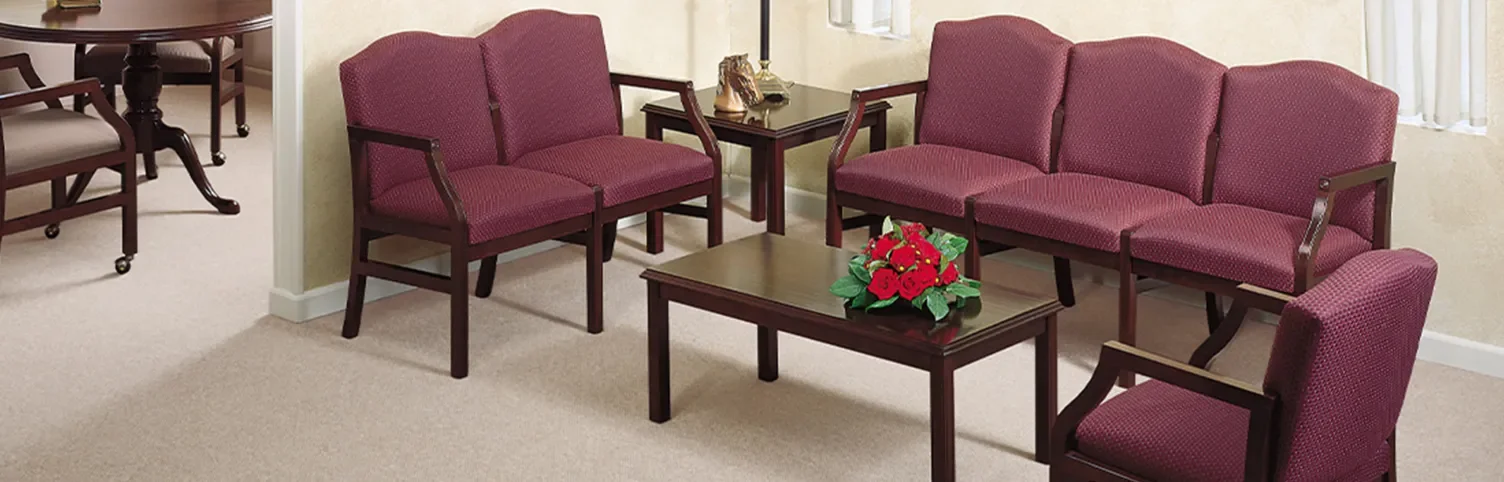
Lesro Hartford Series. Photo: Lesro
Products in this post
NxtWall Flex Series demountable walls are a good test case for visualization. A client choosing between solid panels, clerestory glass and full-height glass is really deciding how the room will feel, and seeing it in their own space settles that faster than a spec sheet. The full system is on NxtWall's Flex Series page.
Lesro Hartford Series seating is the swatch problem in miniature: wood finishes and upholstery choices that are hard to judge from samples alone. Options are on Lesro's Hartford page, and more of the line is on our Lesro Seating page.
Working on a project in Southern California? Request a quote or contact Contract Office Reps.
Sources